Virgin Planes Save Fuel Like Geese
Flight of the Geese: Virgin Planes Adopt Fuel-Saving Technique
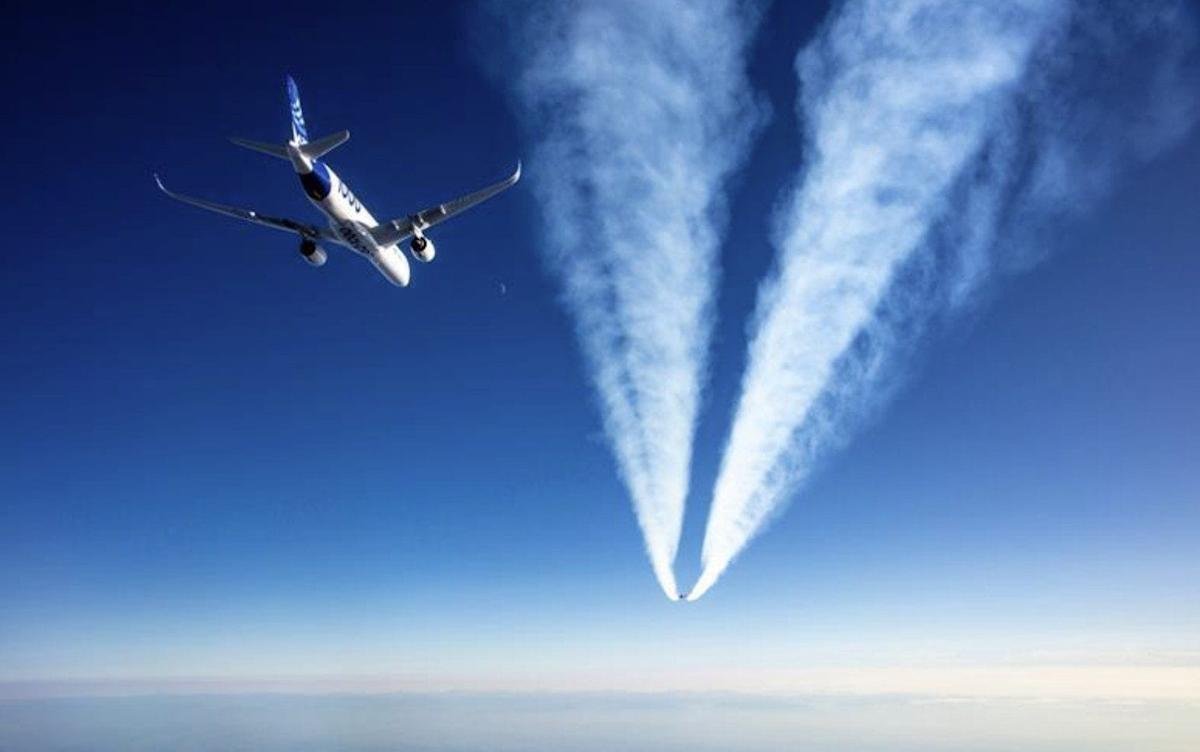
Virgin planes are now mimicking the behaviour of geese to save fuel and reduce emissions. By flying in a V-formation, the planes can take advantage of the aerodynamic benefits and reduce their fuel consumption. This technique has been observed in nature for years, where geese use it to conserve energy during long migrations. The colour of the planes may not change, but their fuel efficiency will.
The idea behind this technique is to reduce the wind resistance and drag that the planes experience during flight. By flying in a V-formation, the planes can create an area of lower air pressure above the wing, which helps to reduce the drag and increase the lift. This can result in significant fuel savings, especially on long-haul flights.
The Virgin planes will be using a combination of GPS and advanced sensors to maintain the perfect V-formation. The system will analyse the position and speed of each plane and make adjustments as needed to ensure that the formation is maintained. This will require careful planning and coordination, but the potential benefits are significant.
Other airlines are also looking at ways to reduce their fuel consumption and emissions. Some are investing in new, more efficient engines, while others are exploring alternative fuels. However, the use of V-formation is a unique approach that could give Virgin a competitive edge in the market. As the airline industry continues to evolve, it will be interesting to see if other companies follow suit.
The fuel savings from this technique could be significant, with some estimates suggesting that it could reduce fuel consumption by up to 10%. This would not only help to reduce the airline’s costs but also its environmental impact. As consumers become more environmentally conscious, airlines will need to find ways to reduce their emissions and operate more sustainably.
The V-formation technique is not just limited to fuel savings; it could also help to improve the overall efficiency of the airline’s operations. By reducing the number of flights needed to transport the same number of passengers, the airline can reduce its costs and improve its profitability. This could also help to reduce the stress and fatigue experienced by pilots, as they would have to make fewer flights.
However, there are also some challenges associated with implementing this technique. For example, the airline would need to ensure that the planes are equipped with the necessary technology to maintain the V-formation. This could require significant investment in new equipment and training for pilots. Additionally, the airline would need to analyse the behaviour of the planes and make adjustments as needed to ensure that the formation is maintained.
Despite these challenges, the potential benefits of the V-formation technique make it an attractive option for airlines. As the industry continues to evolve, it will be interesting to see if other companies adopt this approach. The use of V-formation could be a key factor in reducing the environmental impact of air travel and improving the efficiency of airline operations.
In conclusion, the use of V-formation by Virgin planes is a unique and innovative approach to reducing fuel consumption and emissions. By mimicking the behaviour of geese, the airline can take advantage of the aerodynamic benefits and reduce its environmental impact. As the airline industry continues to evolve, it will be interesting to see if other companies follow suit and adopt this approach.
The future of air travel is likely to be shaped by a combination of factors, including advances in technology, changes in consumer behaviour, and the need to reduce emissions. As airlines look for ways to operate more sustainably, the use of V-formation could be an important step in the right direction. By reducing fuel consumption and emissions, airlines can help to reduce their environmental impact and improve their profitability.
Overall, the use of V-formation by Virgin planes is a positive development for the airline industry. It shows that companies are willing to think outside the box and explore new ways to reduce their environmental impact. As the industry continues to evolve, it will be interesting to see if other companies adopt this approach and if it becomes a standard practice in the industry.