Autistic Barbie Launch Milestone
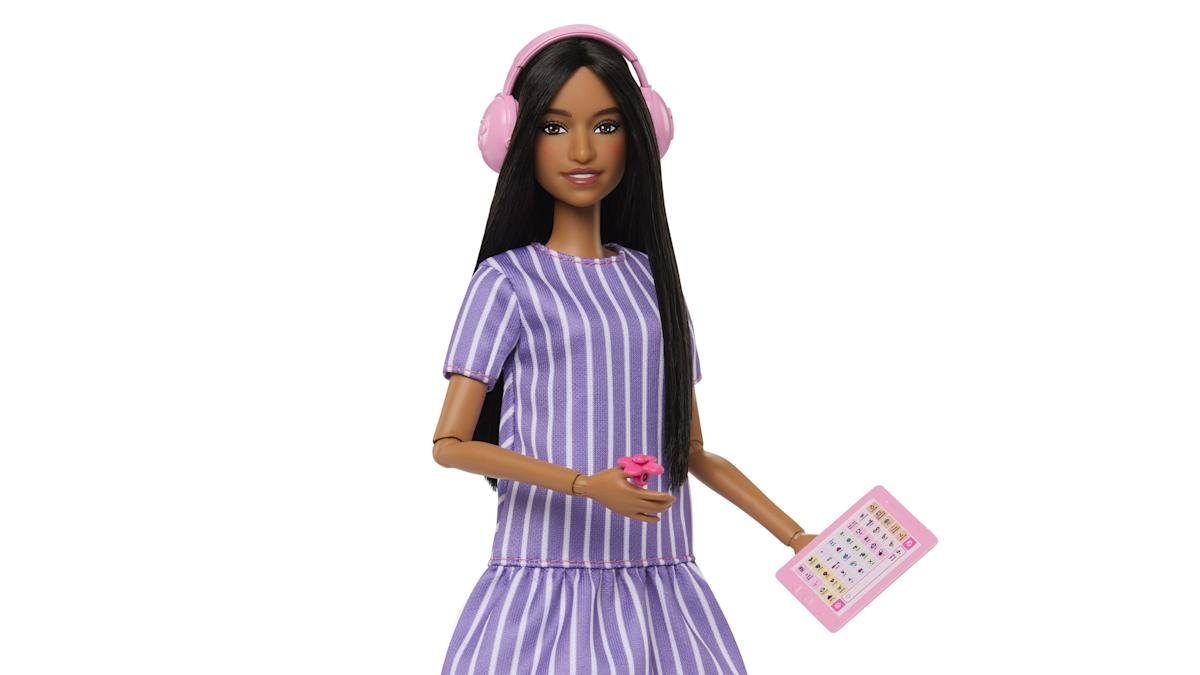
Autistic Barbie Doll Launch: A Milestone in Representation
The launch of the autistic Barbie doll has been welcomed as a milestone in representation. This move by Mattel aims to promote diversity and inclusion. The doll is part of the company’s efforts to analyse and address the lack of representation in toys. By doing so, Mattel hopes to encourage positive behaviour towards individuals with autism.
The autistic community has praised the launch, citing it as a step towards greater understanding and acceptance. The doll’s design and packaging have been developed in consultation with autism experts and advocacy groups. This collaboration has ensured that the product is both authentic and respectful.
According to autism experts, representation in media and toys is crucial for shaping public perception and behaviour. The lack of representation can lead to misunderstandings and stigma. By including autistic characters and toys, companies like Mattel can help to promote a more inclusive and accepting environment.
The launch of the autistic Barbie doll is also seen as a commercial opportunity. The market for inclusive toys is growing, driven by consumer demand for more diverse products. Companies that fail to adapt to this trend risk being left behind, as consumers increasingly expect brands to demonstrate a commitment to diversity and inclusion.
The autistic Barbie doll is not the only example of Mattel’s efforts to promote diversity. The company has also launched a range of dolls with different skin tones, hair textures, and abilities. This move towards greater diversity has been welcomed by parents and advocacy groups, who see it as a positive step towards promoting inclusivity.
However, some critics have argued that the launch of the autistic Barbie doll is not enough. They argue that more needs to be done to promote understanding and acceptance of autism. While the launch is a milestone, it is only the beginning of a longer process. Companies like Mattel must continue to work towards greater representation and inclusion.
In conclusion, the launch of the autistic Barbie doll is a significant milestone in representation. It demonstrates a commitment to diversity and inclusion, and has the potential to promote positive behaviour and understanding. As the market for inclusive toys continues to grow, companies like Mattel must continue to adapt and innovate to meet consumer demand.
The impact of the autistic Barbie doll launch will be closely watched by advocacy groups and consumers. If successful, it could pave the way for further innovation and representation in the toy industry. As companies like Mattel continue to analyse and address the lack of representation, we can expect to see more diverse and inclusive products in the future.
Ultimately, the launch of the autistic Barbie doll is a step in the right direction. It has the potential to promote greater understanding and acceptance of autism, and to inspire positive behaviour. As we look to the future, it will be interesting to see how companies like Mattel continue to innovate and adapt to changing consumer demand.
The autistic Barbie doll is a testament to the power of representation and inclusion. By promoting diversity and understanding, companies like Mattel can help to create a more accepting and inclusive environment. As we move forward, it is essential that we continue to prioritise representation and inclusion, and to celebrate milestones like the launch of the autistic Barbie doll.