UK Reacts to China’s Battery Export Tax Cut
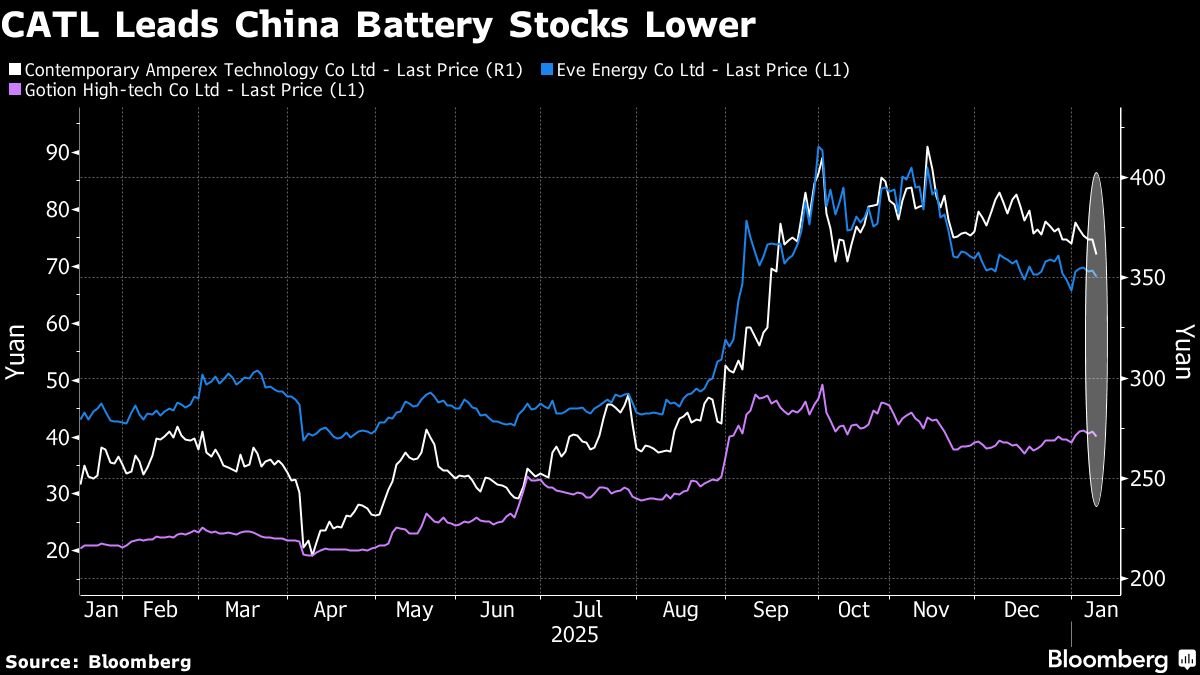
China’s Battery Export Tax Rebate Cut: UK Implications
The Chinese government’s plan to cut export tax rebates has sent shockwaves through the battery industry. This move is expected to increase the cost of Chinese battery exports, potentially affecting the UK’s renewable energy sector. The UK has been increasingly reliant on Chinese battery imports to meet its green energy targets.
The tax rebate cut is likely to influence the behaviour of UK-based companies that import Chinese batteries. These companies may need to reassess their supply chains and consider alternative, more cost-effective options. The colour of the UK’s energy landscape may be changing, with this new development posing both challenges and opportunities.
To analyse the impact of this tax rebate cut, it’s essential to consider the current state of the UK’s energy market. The UK has set ambitious targets to reduce its carbon emissions and increase its use of renewable energy sources. However, the country’s ability to meet these targets may be hindered by the increased cost of Chinese battery imports.
The UK government may need to intervene to mitigate the effects of the tax rebate cut. This could involve providing support to UK-based battery manufacturers or investing in alternative energy storage technologies. The UK’s energy sector is likely to be closely watching the developments in China, as the country navigates this new challenge.
The Chinese government’s decision to cut export tax rebates is part of a broader effort to reduce its trade surplus and promote domestic consumption. While this move may have benefits for the Chinese economy, it’s likely to have far-reaching implications for the global battery industry. The UK will need to adapt to these changes and find ways to maintain its momentum in the transition to renewable energy.
The UK’s energy sector is not alone in feeling the effects of the tax rebate cut. Other countries that rely heavily on Chinese battery imports, such as Germany and France, are also likely to be impacted. As the global energy landscape continues to evolve, it’s essential for countries to work together to address the challenges posed by this new development.
In conclusion, the Chinese government’s plan to cut export tax rebates has significant implications for the UK’s energy sector. The UK will need to carefully consider its options and develop strategies to mitigate the effects of this move. By working together with other countries and investing in alternative energy technologies, the UK can continue to make progress towards its renewable energy targets.