Bank of England Warns of Populism Threat
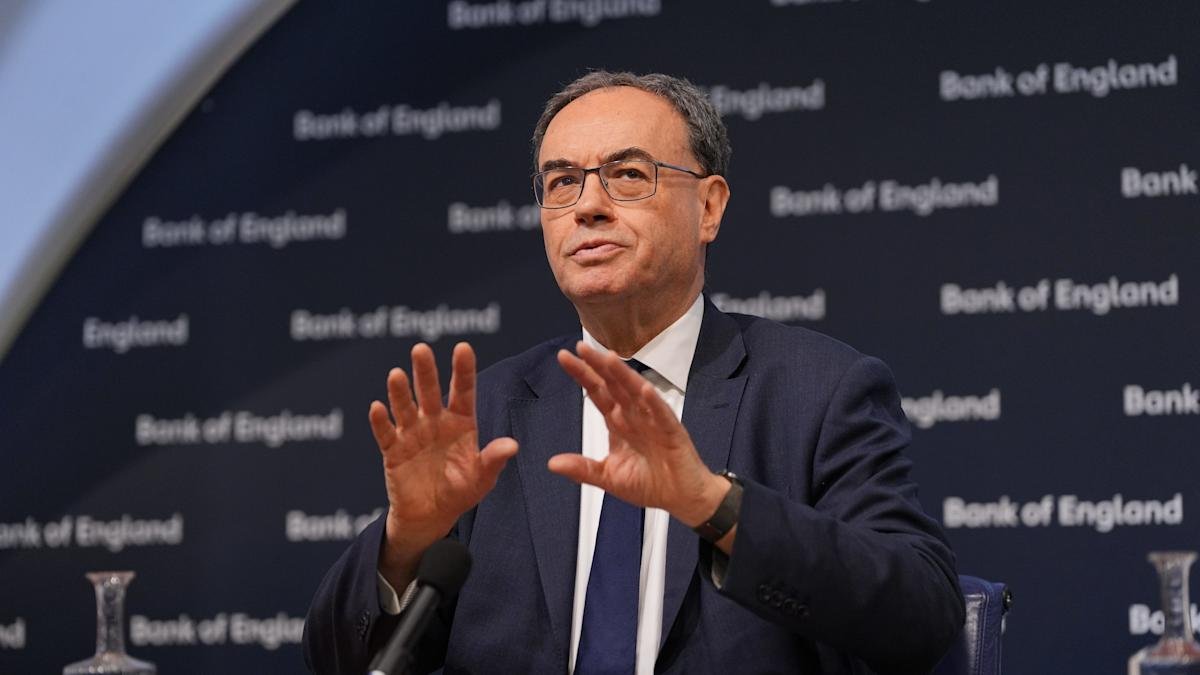
Populism: A Threat to International Agencies
The Bank of England’s governor has voiced concerns about the rising tide of populism and its potential impact on international agencies. This behaviour is likely to affect global economic stability and cooperation. The governor’s warning comes at a critical time for the UK economy. The country is navigating Brexit and its associated challenges.
The Bank of England is not alone in its concerns, as other international agencies have also expressed worries about the effects of populism. The International Monetary Fund, for instance, has analysed the situation and concluded that populism poses a significant threat to global economic stability. This colour of politics can lead to protectionism and isolationism, which are detrimental to international trade and cooperation.
Populism can lead to unpredictable economic policies, which can negatively affect businesses and investors. The UK’s decision to leave the EU, for example, has created uncertainty and volatility in the financial markets. The Bank of England has had to intervene to stabilise the economy and maintain financial stability. The bank’s governor has urged policymakers to consider the long-term implications of their decisions and to prioritise economic stability.
The rise of populism is a complex phenomenon that requires a nuanced understanding of its causes and consequences. It is essential to analyse the underlying factors that contribute to this behaviour and to develop strategies to mitigate its effects. The Bank of England and other international agencies must work together to promote economic stability and cooperation, and to address the challenges posed by populism.
The UK’s experience with populism serves as a cautionary tale for other countries. The country’s economy has been affected by the uncertainty and volatility created by populist policies. The Bank of England’s warning is a reminder that international cooperation and economic stability are essential for maintaining a healthy and prosperous economy. The bank’s governor has called for a more considered approach to policymaking, one that prioritises economic stability and cooperation.
The implications of populism for the UK economy are far-reaching and complex. The country’s decision to leave the EU has created new challenges and opportunities for businesses and investors. The Bank of England’s warning is a reminder that policymakers must consider the long-term implications of their decisions and to prioritise economic stability. The bank’s governor has urged businesses and investors to remain vigilant and to adapt to the changing economic landscape.
The Bank of England’s warning about populism is a timely reminder of the importance of international cooperation and economic stability. The bank’s governor has called for a more nuanced understanding of the causes and consequences of populism, and for the development of strategies to mitigate its effects. The UK’s experience with populism serves as a cautionary tale for other countries, and highlights the need for careful consideration and planning in policymaking.
The rise of populism is a global phenomenon that requires a coordinated response from international agencies and policymakers. The Bank of England’s warning is a call to action, urging policymakers to prioritise economic stability and cooperation. The bank’s governor has reminded us that the consequences of populism can be far-reaching and devastating, and that it is essential to address this challenge head-on.
The Bank of England’s warning about populism is a reminder that economic stability and cooperation are essential for maintaining a healthy and prosperous economy. The bank’s governor has called for a more considered approach to policymaking, one that prioritises economic stability and cooperation. The UK’s experience with populism serves as a cautionary tale for other countries, and highlights the need for careful consideration and planning in policymaking.
In conclusion, the Bank of England’s warning about populism is a timely reminder of the importance of international cooperation and economic stability. The bank’s governor has called for a more nuanced understanding of the causes and consequences of populism, and for the development of strategies to mitigate its effects. The UK’s experience with populism serves as a cautionary tale for other countries, and highlights the need for careful consideration and planning in policymaking.