UK Interest Rate Cuts Explained
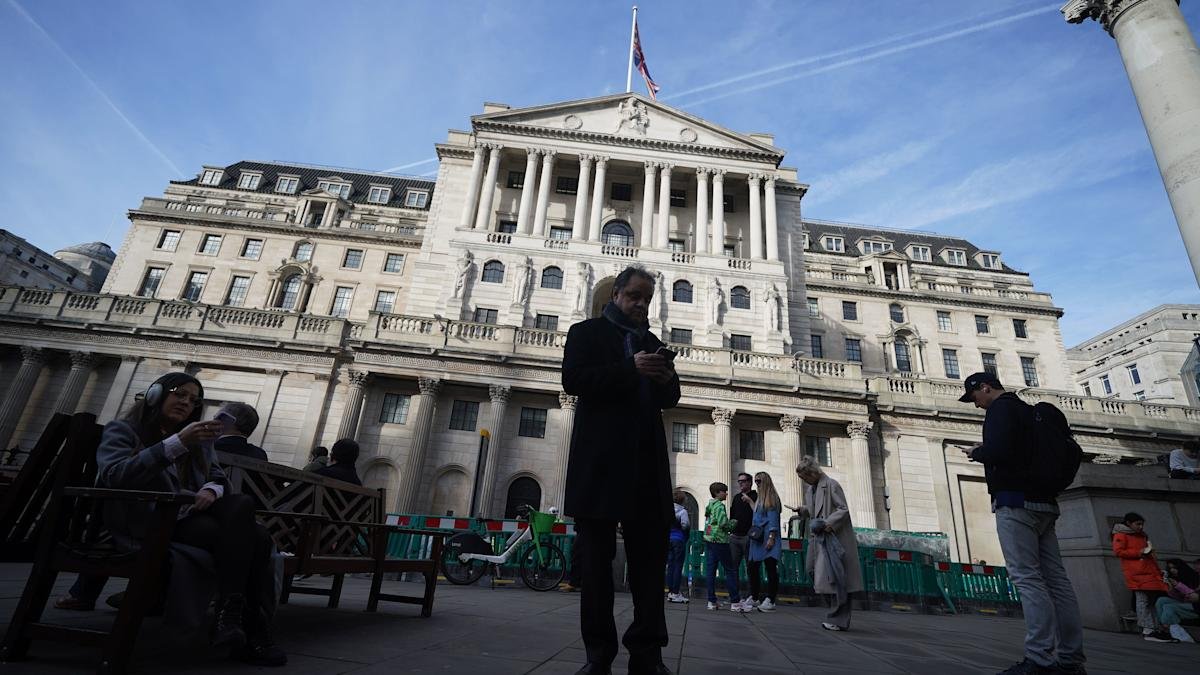
Understanding Interest Rate Cuts in the UK
The recent cut in interest rates has sparked widespread discussion in the UK financial sector. This move aims to stimulate economic growth by making borrowing cheaper. The Bank of England’s decision to lower interest rates is a significant one, with potential impacts on both businesses and individuals.
The primary reason behind this cut is to mitigate the effects of economic downturn. By reducing interest rates, the Bank of England hopes to encourage spending and investment. This, in turn, could help boost the UK’s economy, which has been facing challenges in recent times.
For individuals, lower interest rates mean cheaper mortgages and loans. This can lead to increased consumer spending, as people may feel more confident about taking on debt. However, it also means that savings rates will be lower, potentially affecting those who rely on interest from their savings.
Businesses, on the other hand, may benefit from lower interest rates by borrowing money at a cheaper rate. This could lead to increased investment in the UK, as companies may be more likely to take on new projects. The impact on the stock market is also worth considering, as lower interest rates can make shares more attractive to investors.
The UK’s economic behaviour is closely watched by analysts and policymakers alike. The decision to cut interest rates is just one of many tools used to analyse and influence the economy. As the UK navigates its economic challenges, it’s essential to understand the implications of such decisions.
The colour of the UK’s economic future is still uncertain, but one thing is clear: interest rate cuts can have far-reaching consequences. As the situation continues to unfold, it’s crucial to stay informed about the latest developments and their potential impact on personal finances and the broader economy.
In conclusion, the cut in interest rates is a significant move by the Bank of England. While it may bring benefits such as increased spending and investment, it also poses challenges, particularly for savers. As the UK’s economic landscape continues to evolve, it’s essential to consider the potential effects of such decisions and plan accordingly.