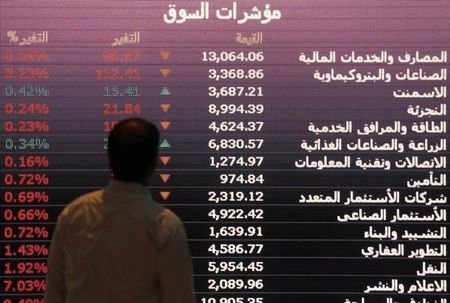
Brazil’s Bovespa Index Dips: What’s Behind the 2.14% Drop?
Brazil’s Bovespa Index Faces Significant Downturn
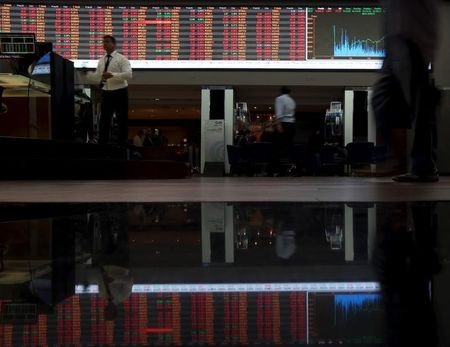
Brazilian equities experienced a notable decline at the close of trading, with the benchmark Bovespa index registering a substantial fall of 2.14%. This pronounced dip reflects growing anxieties among investors, both domestic and international, concerning the immediate economic outlook for Latin America’s largest economy. The sell-off was broad-based, impacting various sectors and signalling a cautious approach from market participants.
Analysts point to a confluence of factors contributing to the Bovespa’s recent woes. Global economic headwinds, including persistent inflation concerns and the prospect of tighter monetary policies from major central banks, are undoubtedly casting a shadow. These external pressures often disproportionately affect emerging markets like Brazil, which are more susceptible to shifts in international capital flows and risk sentiment.
Domestically, a degree of political uncertainty continues to weigh heavily on investor confidence. Speculation regarding future fiscal policies and the direction of key economic reforms can often trigger market volatility. Furthermore, the performance of vital commodity sectors, such as iron ore and oil, which are crucial to Brazil’s export-driven economy, can have a direct impact on the Bovespa’s trajectory.
Major players within the Brazilian market, particularly those in the financial and material sectors, felt the brunt of the downturn. Large-cap stocks, often seen as bellwethers for the wider economy, posted significant losses, exacerbating the index’s overall decline. This indicates a widespread reassessment of risk and a flight to perceived safety as market participants adjust their portfolios accordingly.
The depreciation of the Brazilian real against major global currencies also added to the pressure, making imported goods more expensive and potentially fuelling domestic inflation. For UK investors monitoring emerging markets, the Bovespa’s performance serves as a critical indicator, highlighting the inherent risks and rewards associated with investing in developing economies that are exposed to both internal and external shocks.
While a single day’s trading does not necessarily dictate a long-term trend, a drop of this magnitude certainly warrants close attention. Investors will be keenly watching for any governmental responses to the economic challenges, as well as upcoming data releases that could offer insights into inflation, employment, and industrial output, which are all vital for market recovery.
Looking ahead, the resilience of Brazil’s economy will be tested. Any signs of robust domestic demand or clarity on fiscal reforms could help to stabilise the market. Conversely, continued global economic slowdowns or further domestic political impasses could lead to sustained pressure on Brazilian equities, making careful due diligence essential for any investor considering exposure to the region.
Market commentators suggest that while short-term volatility is to be expected, Brazil’s underlying economic fundamentals, including its vast natural resources and large domestic market, still present long-term potential. However, navigating the current landscape requires a nuanced understanding of both the micro and macro economic forces at play, underscoring the dynamic nature of emerging market investments.