Labour to Ban Boiling Lobsters Alive
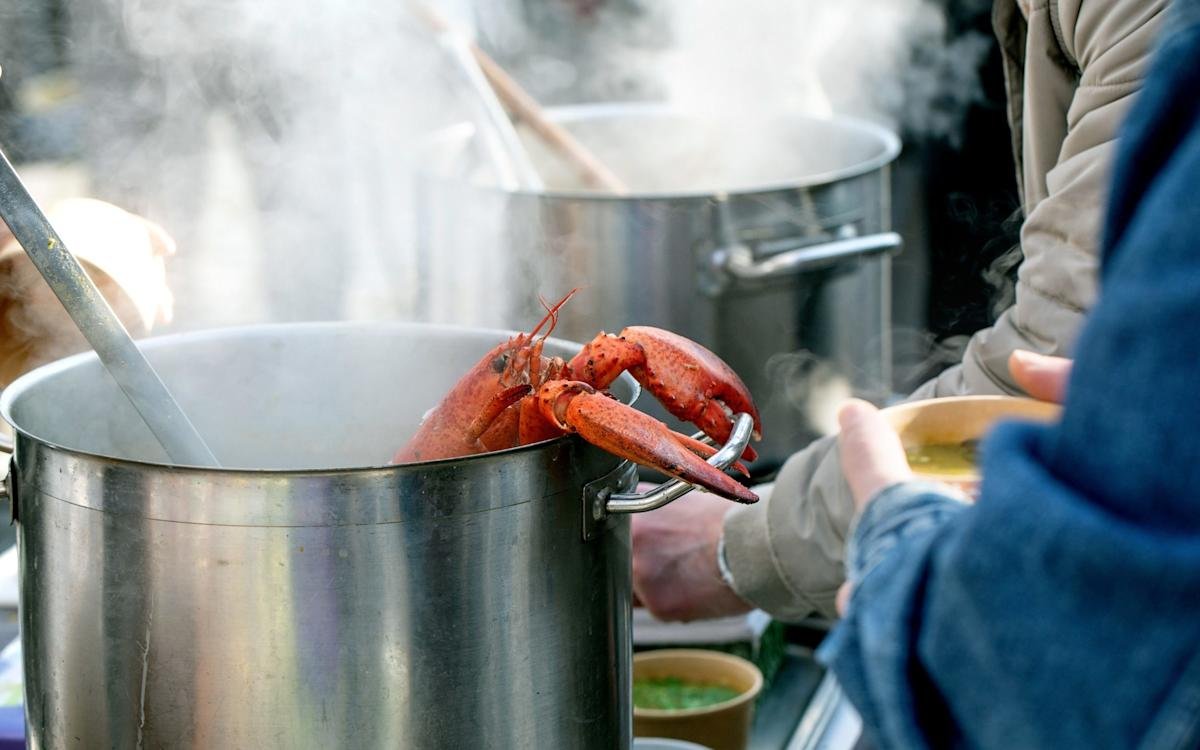
Labour’s Crackdown on Lobster Boiling
Labour has announced plans to ban the practice of boiling live lobsters in the UK. This move is part of a broader effort to improve animal welfare standards in the country. The decision has been welcomed by animal rights activists, who have long argued that the practice is inhumane.
The proposed ban is expected to come into effect soon, with restaurants and food establishments required to adopt more humane methods of killing lobsters. This could include stunning the animals before boiling them, or using alternative cooking methods.
The UK is not the only country to have taken steps to address the issue of lobster boiling. Several other nations, including Switzerland and Belgium, have already introduced similar bans. Labour’s decision is seen as a significant step forward for animal welfare in the UK.
However, some critics have argued that the ban could have unintended consequences, such as increased food costs and job losses in the fishing industry. Labour has said that it will work with industry stakeholders to mitigate any negative impacts and ensure a smooth transition to more humane practices.
The move is part of a wider effort by Labour to improve animal welfare standards in the UK. The party has also announced plans to ban the use of wild animals in circuses and to strengthen laws against animal cruelty.
Animal rights activists have welcomed Labour’s commitment to improving animal welfare, but have also called for further action to be taken. They argue that more needs to be done to address issues such as animal testing and factory farming.
The debate over lobster boiling has sparked a wider conversation about animal welfare and the ethics of food production. As consumers become increasingly aware of the impact of their food choices, there is growing demand for more humane and sustainable practices.
Labour’s decision to ban boiling live lobsters is seen as a significant step forward for animal welfare in the UK. However, it remains to be seen how the policy will be implemented and what impact it will have on the food industry.
The UK government has a responsibility to balance the needs of different stakeholders, including animal welfare groups, industry leaders, and consumers. By taking a proactive approach to improving animal welfare standards, Labour is demonstrating its commitment to creating a more compassionate and sustainable food system.
As the UK continues to evolve and grow, it is likely that we will see further changes to the way we produce and consume food. The ban on boiling live lobsters is just one part of a larger movement towards more humane and sustainable practices.
Only time will tell how effective Labour’s policy will be in improving animal welfare standards. However, one thing is clear: the UK is taking a significant step forward in its treatment of animals, and this is something to be celebrated.
The impact of the ban will be felt across the UK, from restaurants and food establishments to the fishing industry and beyond. As the country moves towards more humane practices, it is likely that we will see a shift in consumer behaviour and a growing demand for sustainable and compassionate food choices.
Labour’s commitment to animal welfare is a positive step forward for the UK. As the country continues to evolve and grow, it is likely that we will see further changes to the way we produce and consume food. The ban on boiling live lobsters is just one part of a larger movement towards a more compassionate and sustainable food system.