UK Train Trauma: Conductor’s PTSD
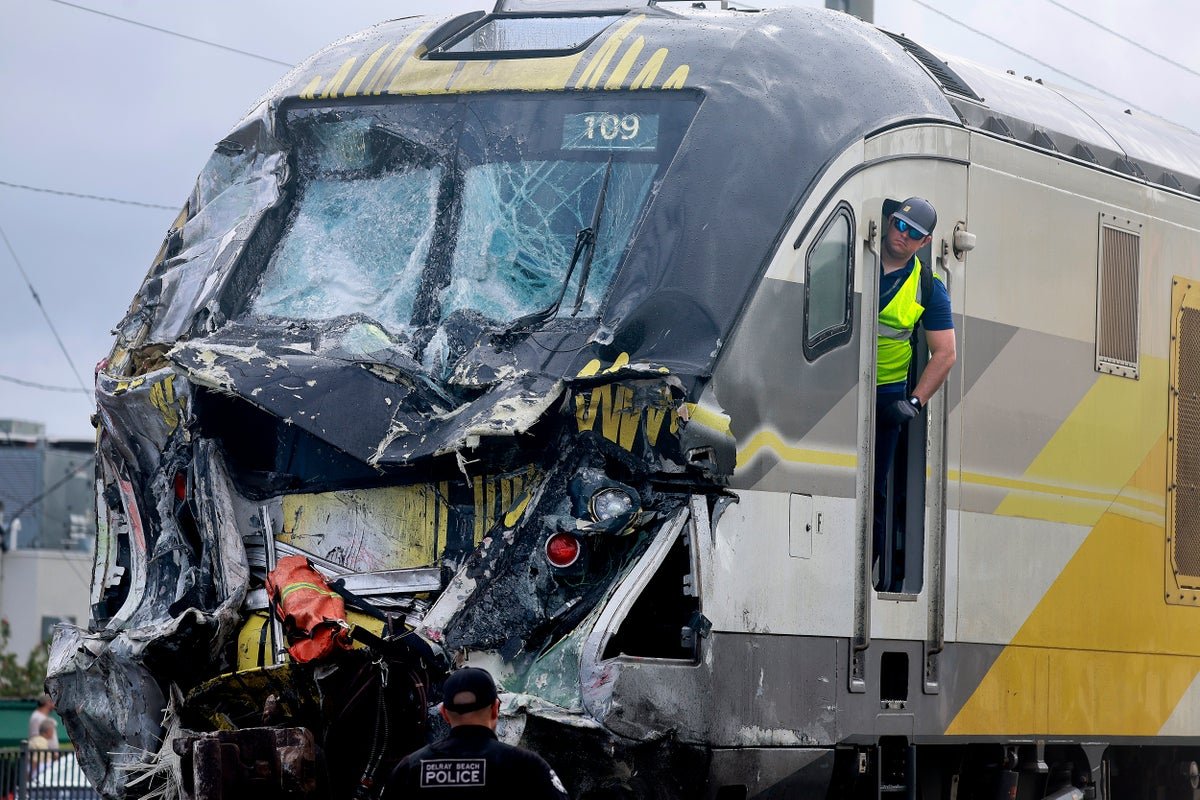
Train Trauma: The Hidden Cost of Rail Accidents
Rail accidents can have a profound impact on train conductors, causing long-term psychological trauma. The recent case of a Florida conductor highlights the devastating effects of repeated exposure to train deaths. The conductor in question has developed post-traumatic stress disorder (PTSD) and is now seeking $60 million in damages.
The lawsuit alleges that the conductor’s employer failed to provide adequate support and training to deal with the emotional aftermath of rail accidents. This lack of support has led to a decline in the conductor’s mental health and wellbeing. The case raises important questions about the duty of care owed to rail staff and the need for robust support systems.
In the UK, rail accidents are relatively rare, but the impact on those involved can be significant. The Rail Safety Standards Board (RSSB) reports that the number of fatalities on the rail network has decreased in recent years, but the risk of accidents remains. Train operators and employers have a responsibility to prioritise the safety and wellbeing of their staff, including providing access to counselling and mental health support.
The financial cost of rail accidents can also be substantial, with the RSSB estimating that the total cost of accidents on the rail network is around £1 billion per year. This includes the cost of damaged trains, track repairs, and compensation payments to victims and their families. The human cost, however, is often immeasurable, with the impact on staff and passengers lasting for years after the event.
As the rail industry continues to evolve, it is essential that employers prioritise the wellbeing of their staff. This includes providing regular training and support to deal with the emotional aftermath of rail accidents. By doing so, employers can help reduce the risk of PTSD and other mental health issues, creating a safer and more supportive work environment for all.
The UK government has introduced various initiatives to improve rail safety, including the Rail Safety Improvement Programme. The programme aims to reduce the number of accidents on the rail network by improving track maintenance, signal systems, and staff training. While these initiatives are welcome, more needs to be done to support the mental health and wellbeing of rail staff.
In conclusion, the case of the Florida conductor highlights the need for employers to prioritise the wellbeing of their staff. The UK rail industry must take heed of this warning and ensure that adequate support systems are in place to deal with the emotional aftermath of rail accidents. By doing so, we can create a safer and more supportive work environment for all, reducing the risk of PTSD and other mental health issues.