Kenya Tea Waste to Clean Energy
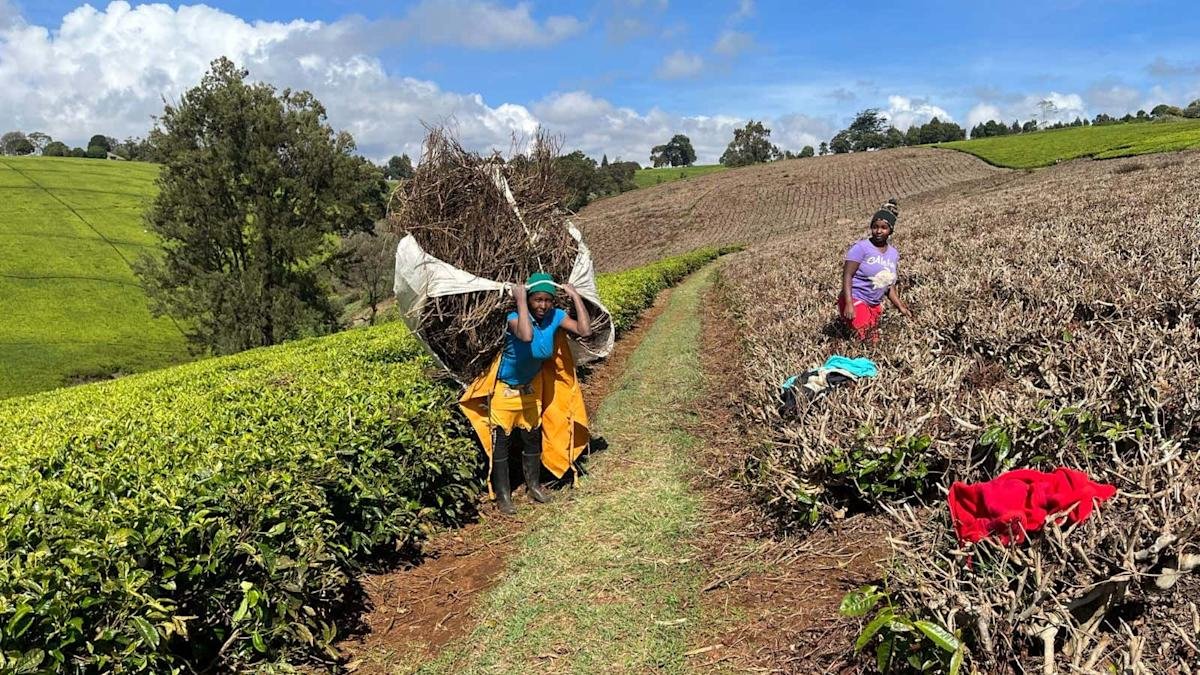
Transforming Kenya’s Tea Waste into Clean Energy and Fertiliser
The UK-backed project aims to convert Kenya’s tea waste into clean energy and fertiliser, reducing waste and promoting sustainability. This innovative approach will help mitigate the environmental impact of tea production. By utilizing tea waste, the project can generate clean energy and produce fertiliser for local farmers. This initiative has the potential to transform the tea industry in Kenya.
The project’s primary objective is to reduce greenhouse gas emissions and promote renewable energy sources. By leveraging tea waste, the project can decrease the reliance on fossil fuels and lower carbon emissions. This effort will contribute to a cleaner environment and help Kenya achieve its sustainable development goals. The project’s impact will be significant, with the potential to reduce carbon emissions and promote sustainable agriculture.
The UK’s involvement in the project demonstrates its commitment to supporting sustainable development in Kenya. The project will create jobs and stimulate local economic growth, while also promoting environmental sustainability. The use of tea waste as a renewable energy source will reduce waste disposal costs and generate revenue for local communities. This innovative approach will serve as a model for other industries seeking to reduce their environmental footprint.
The project’s success will depend on the collaboration between UK and Kenyan stakeholders. The partnership will facilitate knowledge sharing, technology transfer, and capacity building. The project will also provide training and capacity-building programs for local farmers, enabling them to adopt sustainable agricultural practices. By working together, the UK and Kenya can achieve significant economic, social, and environmental benefits.
The tea industry is a significant contributor to Kenya’s economy, and this project will help the industry become more sustainable. The use of tea waste as a renewable energy source will reduce the industry’s reliance on fossil fuels and lower its carbon footprint. The project will also promote sustainable agriculture practices, reducing the environmental impact of tea production. This initiative will contribute to a more sustainable future for Kenya’s tea industry.
The project’s impact will be felt beyond the tea industry, as it will contribute to Kenya’s overall sustainable development. The project will help reduce greenhouse gas emissions, promote renewable energy sources, and support sustainable agriculture practices. The UK’s support for this project demonstrates its commitment to promoting sustainable development in Kenya and globally. This initiative will serve as a model for other countries seeking to promote sustainable development and reduce their environmental footprint.
The use of tea waste as a renewable energy source is a significant innovation in the tea industry. The project will generate clean energy and produce fertiliser, reducing waste and promoting sustainability. This approach will help mitigate the environmental impact of tea production and contribute to a more sustainable future for the industry. The project’s success will depend on the continued collaboration between UK and Kenyan stakeholders.
The project’s potential to transform the tea industry in Kenya is significant. The use of tea waste as a renewable energy source will reduce the industry’s reliance on fossil fuels and lower its carbon footprint. The project will also promote sustainable agriculture practices, reducing the environmental impact of tea production. This initiative will contribute to a more sustainable future for Kenya’s tea industry and serve as a model for other industries seeking to reduce their environmental footprint.
In conclusion, the UK-backed project to convert Kenya’s tea waste into clean energy and fertiliser is a significant innovation in the tea industry. The project’s potential to transform the industry and promote sustainable development is substantial. The collaboration between UK and Kenyan stakeholders will be crucial to the project’s success, and the project’s impact will be felt beyond the tea industry.