China Vanke Shares Tumble as Debt Deal Offers Fleeting Solace
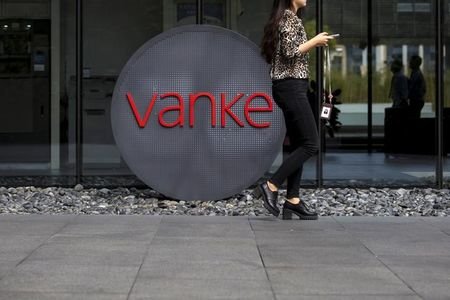
China Vanke Grapples with Debt as Shares Reflect Investor Anxiety
China Vanke, one of the nation’s foremost property developers, has recently witnessed its shares take a considerable tumble, following the announcement of a new debt deal. While the agreement offers a momentary financial breather, market sentiment indicates it is merely a temporary reprieve, failing to assuage deeper concerns about the company’s long-term health and the wider real estate sector’s stability.
The immediate downturn in Vanke’s stock price highlights profound investor apprehension. Despite efforts to restructure its liabilities, the market appears unconvinced these measures provide a robust shield against the ongoing liquidity crisis. This reaction underscores prevalent scepticism regarding the efficacy of piecemeal solutions in a severely stressed property landscape.
Details of the latest debt arrangement suggest a tactical move to defer or renegotiate existing obligations, rather than a substantial influx of new, unencumbered capital. Such deals often buy time for struggling developers, yet they rarely address fundamental issues driving financial distress, leaving underlying vulnerabilities exposed to continued market pressures.
Vanke’s precarious position is emblematic of the profound challenges gripping China’s colossal property market. A potent mix of stringent government policies, including the ‘Three Red Lines’ debt caps, and a significant slump in consumer confidence has choked off sales and new financing avenues for even established firms, leading to unprecedented defaults.
The temporary nature of this reprieve means Vanke, like many peers, remains tethered to the volatile market’s whims. Without a sustained recovery in property sales and easier access to fresh credit, any short-term debt adjustments are unlikely to provide the enduring stability required to navigate current economic headwinds effectively.
This situation inevitably sends further ripples through investor confidence, impacting not just Vanke but the perception of other major developers. The struggles of a company once considered a beacon of stability intensify worries about systemic risk, potentially deterring both domestic and international capital from the Chinese property sector.
Beijing’s approach to the property crisis has been cautious, balancing stability with its long-term goal of de-leveraging the economy and curbing speculative excesses. While some support has been offered, the overarching strategy appears to favour market-driven resolution, rather than broad-based bailouts for individual companies.
The ramifications stretch far beyond financial markets, impacting China’s broader economic outlook. The property sector’s significant contribution to GDP, employment, and local government revenue means its prolonged slump poses a substantial threat to growth targets and overall social stability across the nation.
Looking ahead, Vanke will likely need to explore more definitive strategic manoeuvres. This could involve significant asset divestments, further aggressive debt restructuring, or potentially seeking more direct, robust backing from state-owned entities to secure a truly sustainable future amid prevailing uncertainty.
In conclusion, while China Vanke’s recent debt deal has offered a moment of respite, the market’s reaction clearly indicates this is a temporary fix for a deeply entrenched problem. The path to long-term recovery for Vanke and the wider Chinese property market remains fraught with significant challenges, demanding comprehensive and lasting solutions.