Offshore Wind Woes: How US Project Delays Affected European Renewable Shares
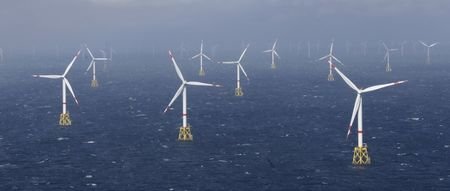
Turbulence in the Atlantic: Unpacking the Impact of US Offshore Wind Pauses
The global renewable energy sector recently felt a significant tremor. News from the United States, detailing the unexpected freezing of major offshore wind projects, sent ripples through international markets. European renewable energy shares were notably impacted.
Investors reacted swiftly, causing share prices for numerous European green energy companies to dip. This market correction highlights the interconnectedness of global energy economies and investment sensitivity to project viability across borders.
Reports from the US cited escalating costs due driven by inflation and persistent supply chain disruptions. Rising interest rates also increased developers’ financial burden, making long-term commitments less attractive and prompting project halts.
Developers further faced challenges with securing necessary permits and navigating complex regulatory landscapes. Environmental reviews, community opposition, and grid infrastructure limitations compounded difficulties, leading to project re-evaluation decisions.
The repercussions felt in Europe were significant, not just superficial. Many European firms hold direct investments in US projects or operate within the global offshore wind supply chain. US difficulties thus swiftly translated into European sector concerns.
Beyond direct links, the US situation underscored universal challenges in the nascent offshore wind industry. Cost overruns and reliance on global manufacturing are not exclusive to America; European developers grapple with similar economic pressures.
Consequently, investor confidence in the broader renewable energy market took a hit. While the long-term outlook remains positive, significant project freezes introduce an element of risk, influencing future investment flows globally.
These events serve as a stark reminder of robust government policy’s critical role. Stable regulatory frameworks are essential for attracting and sustaining large-scale renewable energy investments, providing clear, consistent signals to de-risk projects.
For the United Kingdom, a world leader in offshore wind capacity, the news prompted careful reflection. Despite a mature domestic sector, global market dynamics cannot be ignored, making supply chain protection and attractive investment conditions paramount.
The current economic climate, characterised by higher interest rates, invariably increases the cost of capital for energy projects. Offshore wind, with its substantial upfront investment, is particularly susceptible, influencing financial models and new development viability.
Ultimately, the dip in European renewable energy shares following the US project delays serves as a crucial learning experience. It highlights the complexities of large-scale infrastructure development, especially in volatile economic climates.
However, it also reinforces the industry’s adaptive capacity and the unwavering global commitment to a sustainable energy future. The path may have its challenges, but a world powered by clean energy remains firmly in sight.