Odd Economies: 7 Nations Defy Convention
Unconventional Economies: A Global Perspective
The world of global finance is full of surprises, with some countries boasting economies that are truly one-of-a-kind. From the oil-rich nation of Brunei to the tech-savvy economy of Israel, there are several countries that have managed to carve out their own unique niche in the global market.
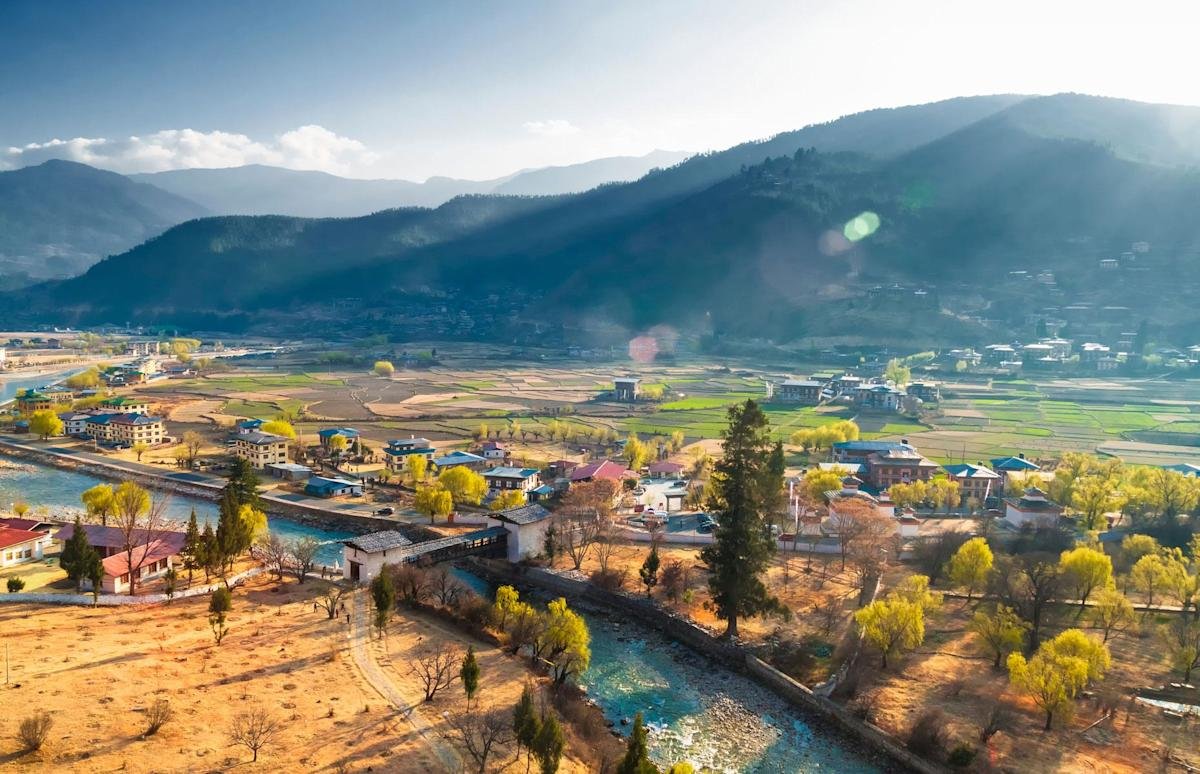
One of the most notable examples is Bhutan, which has adopted a unique approach to economic development, prioritising gross national happiness over traditional measures of economic success. This approach has led to a distinct economic model that is focused on sustainable development and environmental protection.
In contrast, the economy of Qatar is driven by its vast oil and gas reserves, which have enabled the country to invest heavily in infrastructure and finance. The country’s strategic location has also made it an important hub for international trade and commerce.
Other countries, such as Singapore and Luxembourg, have developed strong financial sectors, with a high degree of specialisation in areas such as asset management and private banking. These countries have created business-friendly environments that attract investment and talent from around the world.
The economy of Iceland is also worth noting, with its unique blend of tourism, fishing, and renewable energy. The country’s stunning natural beauty and abundant geothermal resources have made it an attractive destination for tourists and investors alike.
In addition to these examples, there are several other countries that have developed unusual economic models, such as the cooperative-based economy of Mondragon in Spain, and the indigenous-led economy of the Navajo Nation in the United States. These examples demonstrate that there is no one-size-fits-all approach to economic development, and that different countries can thrive with different economic models.
As the global economy continues to evolve, it will be interesting to see how these unconventional economies adapt and thrive. Will they continue to defy convention, or will they converge with more traditional economic models? Only time will tell, but one thing is certain – the world of global finance will continue to be shaped by a diverse range of economic systems and approaches.
The study of these unusual economies can provide valuable insights for policymakers and business leaders, as they seek to create more sustainable and resilient economic models. By analysing the strengths and weaknesses of these economies, we can gain a better understanding of what works and what doesn’t, and develop more effective strategies for promoting economic growth and development.
Furthermore, the rise of unconventional economies highlights the importance of diversity and experimentation in economic development. Rather than relying on a single approach or model, countries can benefit from exploring different options and learning from each other’s experiences. This can help to foster a more dynamic and adaptive global economy, better equipped to respond to the challenges of the 21st century.
In conclusion, the world of global finance is full of surprises, and the economies of these 7 nations are a testament to the diversity and complexity of economic systems around the world. Whether it’s the unique approach of Bhutan or the oil-driven economy of Qatar, each country has its own distinct character and strengths. As we look to the future, it will be exciting to see how these economies continue to evolve and thrive.
The implications of these unconventional economies are far-reaching, and can inform a wide range of policy areas, from economic development to environmental protection. By embracing diversity and experimentation, we can create more sustainable and resilient economic models that benefit both people and the planet.
Ultimately, the success of these economies will depend on their ability to adapt and innovate in response to changing global conditions. As the world becomes increasingly interconnected, it will be essential for countries to develop economic models that are flexible, sustainable, and equitable. The examples of these 7 nations offer valuable lessons for policymakers and business leaders, and highlight the importance of creativity and experimentation in economic development.