Oil Prices Rise on Iran and Venezuela Risks
Oil Market Volatility: Iran and Venezuela Risks
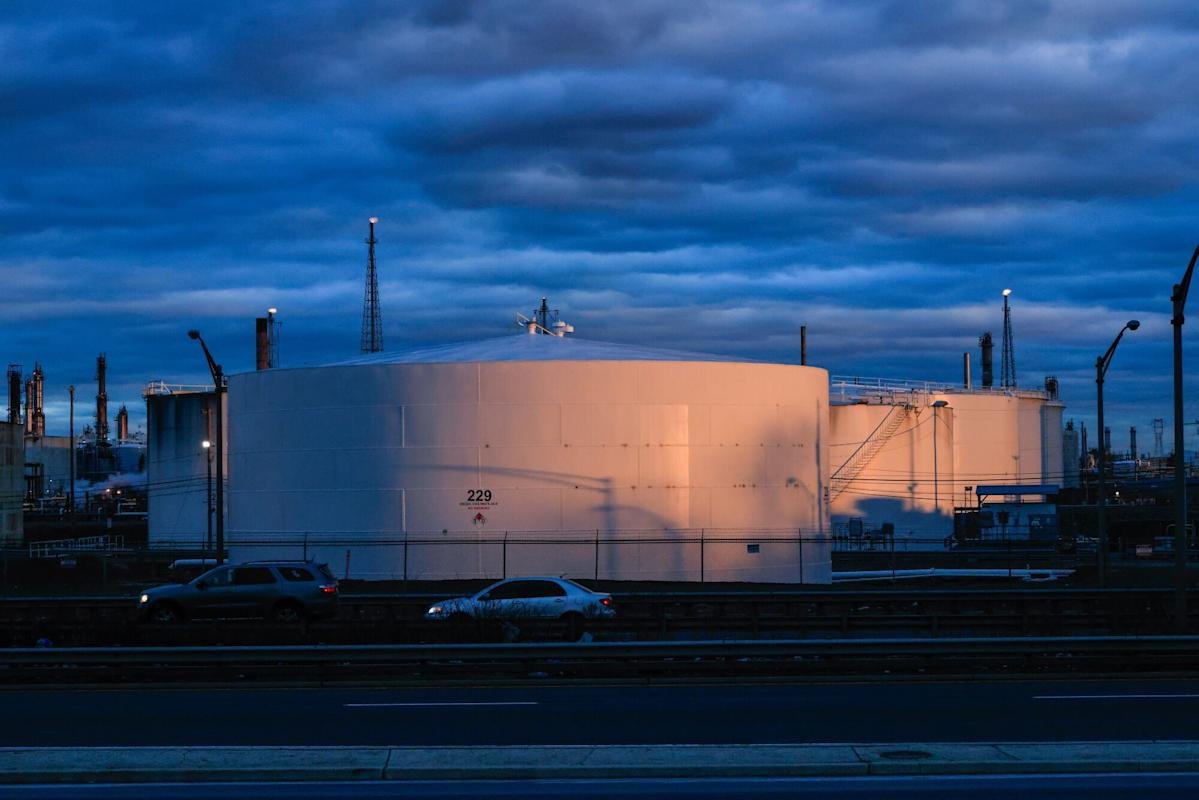
Oil prices have extended their gains as traders focus on the escalating risks in Iran and Venezuela. The ongoing tensions in the Middle East and the political instability in Venezuela have led to concerns about potential supply disruptions. As a result, oil prices have increased, with Brent crude reaching a high of over $70 per barrel.
The situation in Iran has been particularly volatile, with the US imposing sanctions on the country’s oil exports. This has led to a significant reduction in Iran’s oil production, which has in turn contributed to the rise in oil prices. Meanwhile, in Venezuela, the political crisis has resulted in a decline in the country’s oil production, further exacerbating the supply concerns.
The oil market is closely watching the developments in Iran and Venezuela, as any further disruptions to supply could lead to even higher prices. The International Energy Agency (IEA) has warned that the loss of Iranian and Venezuelan oil exports could have a significant impact on the global oil market. As such, traders are closely monitoring the situation, and oil prices are likely to remain volatile in the short term.
In the UK, the rise in oil prices is likely to have a significant impact on the economy. Higher oil prices could lead to increased costs for businesses and consumers, which could in turn affect the country’s economic growth. The UK’s inflation rate could also be affected, as higher oil prices feed through to higher prices for goods and services.
The UK government has been working to reduce the country’s reliance on fossil fuels, with a focus on renewable energy sources such as wind and solar power. However, the country still relies heavily on oil and gas, and the rise in oil prices is likely to have a significant impact on the economy. As such, the government will need to carefully consider its energy policy to mitigate the effects of higher oil prices.
The oil market is complex and subject to a range of factors, including geopolitical tensions, supply and demand, and economic trends. As such, it is difficult to predict with certainty what will happen to oil prices in the future. However, one thing is clear: the situation in Iran and Venezuela will continue to be a major factor in determining the direction of the oil market.
In conclusion, the rise in oil prices due to the risks in Iran and Venezuela is a significant concern for the UK economy. The government will need to carefully consider its energy policy to mitigate the effects of higher oil prices, and traders will need to closely monitor the situation to make informed investment decisions. As the oil market continues to evolve, it is likely that we will see further volatility in the short term.
Moreover, the impact of higher oil prices on the UK economy could be far-reaching. It could lead to higher costs for businesses, which could in turn affect their profitability and competitiveness. It could also lead to higher prices for consumers, which could affect their disposable income and spending habits. As such, it is essential to carefully analyse the situation and consider the potential implications for the UK economy.
The UK’s financial sector will also be closely watching the situation, as higher oil prices could have a significant impact on the country’s financial markets. The FTSE 100 index could be affected, as well as the value of the pound sterling. As such, investors will need to carefully consider their investment decisions and weigh up the potential risks and rewards.
Furthermore, the rise in oil prices could also have a significant impact on the UK’s transport sector. Higher oil prices could lead to higher costs for airlines, shipping companies, and other transport operators, which could in turn affect their profitability and competitiveness. It could also lead to higher prices for consumers, which could affect their behaviour and travel habits.
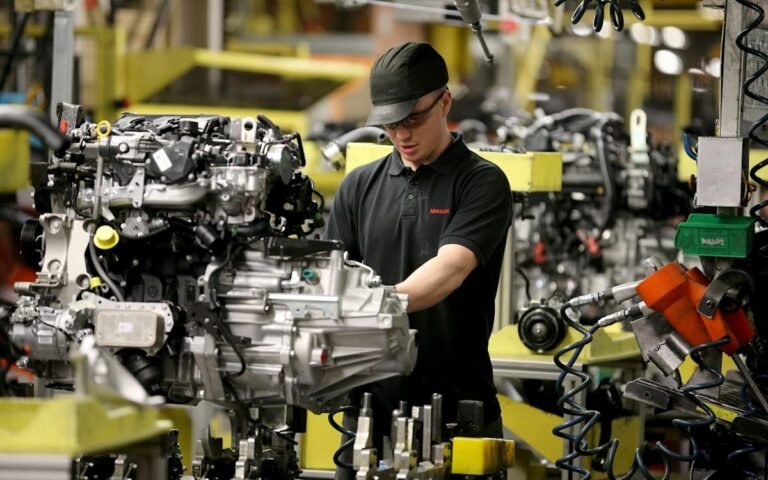
In addition, the UK’s manufacturing sector could also be affected by the rise in oil prices. Higher oil prices could lead to higher costs for manufacturers, which could in turn affect their profitability and competitiveness. It could also lead to higher prices for consumers, which could affect their demand for manufactured goods.
Overall, the situation in Iran and Venezuela is complex and multifaceted, and the impact on the oil market and the UK economy is likely to be significant. As such, it is essential to carefully consider the potential implications and weigh up the potential risks and rewards. By doing so, we can better understand the situation and make informed decisions about our energy policy and investment strategies.
The UK government has been working to reduce the country’s carbon footprint, with a focus on renewable energy sources and energy efficiency. However, the country still relies heavily on fossil fuels, and the rise in oil prices is likely to have a significant impact on the economy. As such, the government will need to carefully consider its energy policy to mitigate the effects of higher oil prices.
In the short term, the oil market is likely to remain volatile, with prices fluctuating in response to geopolitical tensions and supply and demand trends. However, in the long term, the trend is likely to be towards more sustainable and renewable energy sources. As such, investors and policymakers will need to carefully consider their strategies and weigh up the potential risks and rewards.