Trump’s Trade War: UK Impact

Trump’s Trade War and Its Impact on Britain
The ongoing trade war between the US and other nations has significant implications for Britain. As the UK navigates its post-Brexit economy, it must also contend with the fallout from Trump’s trade policies. The US president’s recent interest in purchasing Greenland has further complicated matters, potentially disrupting global trade relationships.
Britain’s economy is heavily reliant on international trade, making it vulnerable to fluctuations in the global market. The UK’s decision to leave the EU has already created uncertainty, and Trump’s trade war is exacerbating the situation. The pound’s value has been affected, making imports more expensive and impacting consumer behaviour.
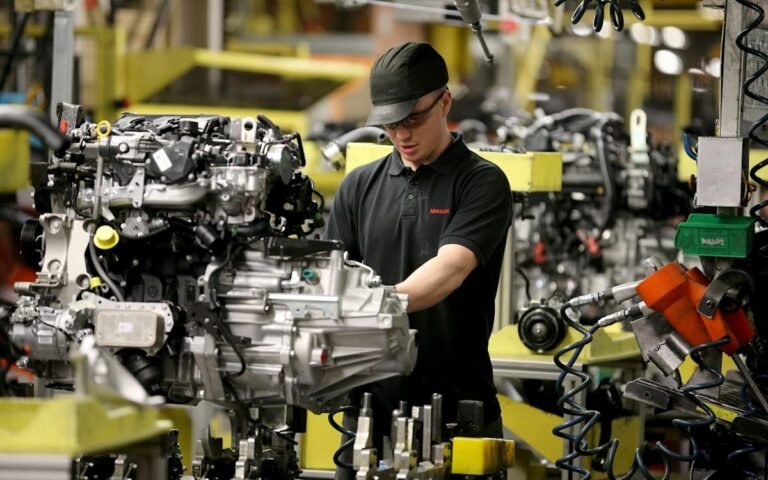
The potential consequences of Trump’s trade war on Britain are far-reaching. The UK’s manufacturing sector, in particular, is at risk due to the increased costs of imported materials. This could lead to higher prices for consumers and reduced competitiveness for British businesses. Furthermore, the trade war may also affect the UK’s financial sector, as investors become more cautious and risk-averse.
To mitigate the effects of the trade war, the UK government must develop a comprehensive strategy to support British businesses and protect the economy. This could involve negotiating new trade agreements with other nations, as well as providing financial assistance to affected industries. By taking proactive measures, the UK can minimise the impact of Trump’s trade war and ensure a stable economic future.
In addition to the economic implications, Trump’s trade war also has significant geopolitical consequences. The US president’s actions are straining relationships with other nations, potentially leading to a decline in global cooperation and an increase in protectionism. As Britain seeks to establish itself as a major player on the world stage, it must navigate these complex diplomatic relationships and balance its own interests with the need for international cooperation.
The situation is further complicated by the UK’s historical ties to the US, which have been a cornerstone of British foreign policy. However, as the US pursues a more isolationist agenda, the UK must reassess its relationship with its transatlantic ally and consider alternative partnerships. This could involve strengthening ties with other European nations, as well as building relationships with emerging economies in Asia and Africa.
Ultimately, the impact of Trump’s trade war on Britain will depend on the UK government’s ability to respond effectively to the challenges posed. By developing a clear and comprehensive strategy, the UK can protect its economy, support its businesses, and maintain its position as a major player on the world stage. As the situation continues to evolve, it is essential for policymakers and business leaders to remain vigilant and adapt to the changing circumstances.
The UK’s financial sector is also likely to be affected by the trade war, as investors become increasingly risk-averse. This could lead to a decline in investment and a reduction in economic growth, making it essential for the UK government to implement policies that support the financial sector and encourage investment. By doing so, the UK can mitigate the effects of the trade war and ensure a stable economic future.
In conclusion, Trump’s trade war has significant implications for Britain, from the economic impact on the manufacturing sector to the geopolitical consequences of strained international relationships. As the UK navigates this complex situation, it is essential for policymakers and business leaders to remain informed and adapt to the changing circumstances. By doing so, the UK can protect its economy, support its businesses, and maintain its position as a major player on the world stage.