UK Capital Gains Tax Rates Explained
Understanding Capital Gains Tax on Property
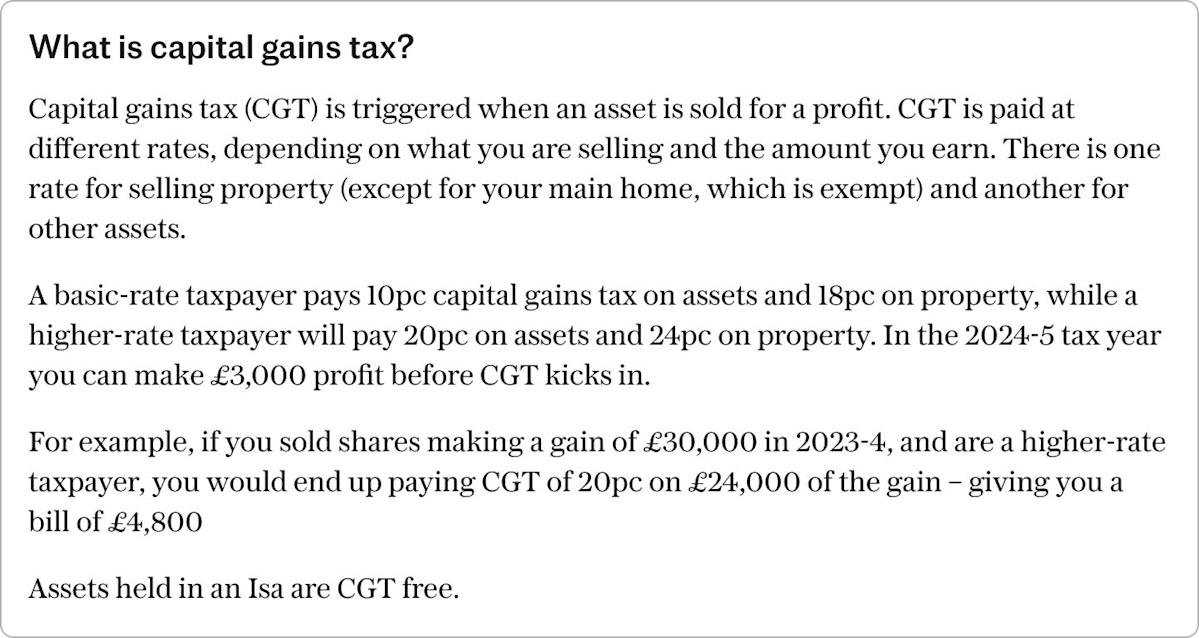
Capital gains tax is a type of tax levied on the profit made from selling an asset, such as a property. In the UK, this tax applies to the sale of second homes, buy-to-let properties, and other investments. The tax rates vary depending on the individual’s income tax band.
The UK government sets the capital gains tax rates annually, with the current rates ranging from 18% to 28% for residential property. The tax-free allowance is £12,000 for the 2022-2023 tax year, and any gains above this amount are subject to tax.
To calculate the capital gains tax, you need to determine the gain made on the sale of the property. This involves subtracting the original purchase price and any associated costs from the selling price. The resulting gain is then taxed according to the applicable rate.
For example, if you sell a property for £250,000 and the original purchase price was £200,000, the gain would be £50,000. Assuming you have not used up your tax-free allowance, the capital gains tax would be £9,000, based on the 18% rate.
There are ways to reduce the capital gains tax liability, such as claiming private residence relief or letting relief. These reliefs can help reduce the taxable gain, resulting in a lower tax bill. Additionally, the UK government offers a range of tax allowances and exemptions that can help minimize the tax payable.
It’s essential to keep accurate records of the property’s purchase and sale, as well as any associated costs, to ensure you can claim the correct reliefs and allowances. You should also consult with a tax professional or financial advisor to ensure you are meeting your tax obligations and taking advantage of available reliefs.
Capital gains tax can be complex, but understanding how it works and the available reliefs can help you minimize your tax liability. By staying informed and seeking professional advice, you can make the most of your property investments and reduce your tax bill.
The UK government regularly reviews and updates the capital gains tax rates and reliefs, so it’s crucial to stay up-to-date with the latest changes. This will help you make informed decisions about your property investments and ensure you are meeting your tax obligations.
In conclusion, capital gains tax on property is a complex topic, but by understanding the rates, reliefs, and allowances, you can minimize your tax liability. Whether you’re a seasoned investor or a first-time buyer, it’s essential to stay informed and seek professional advice to ensure you’re making the most of your property investments.