UK Retail Sales Dip in November
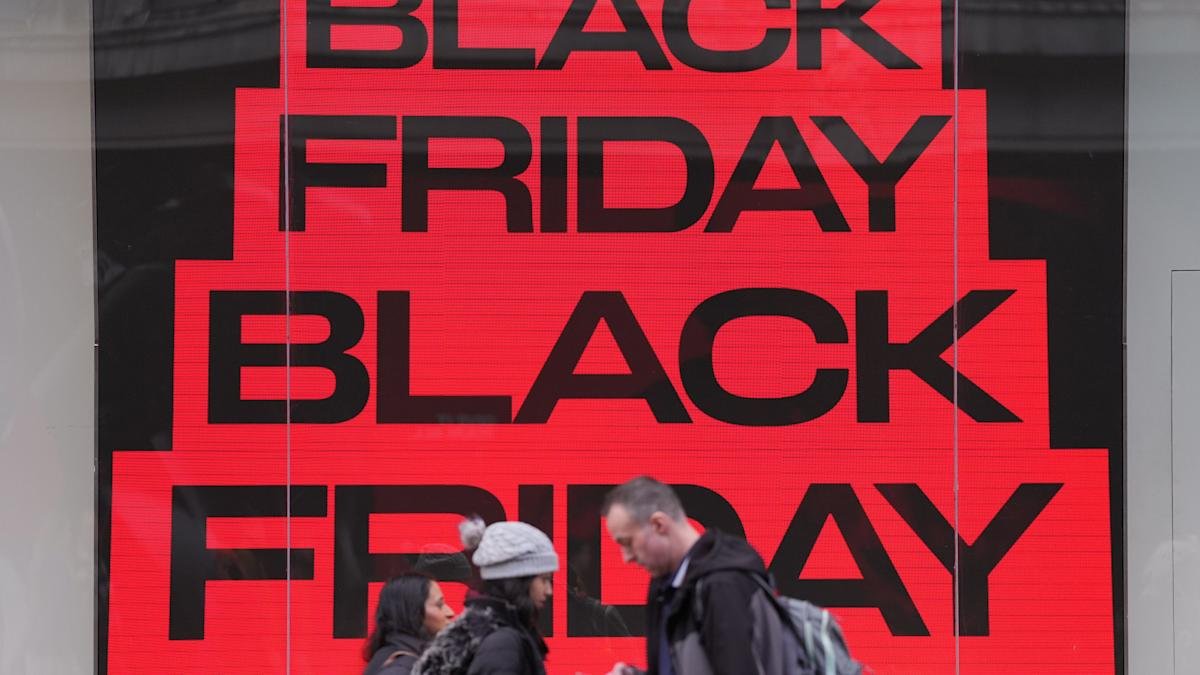
Retail Sales Dip in November as Black Friday Fails to Impress
Retail sales in the UK dipped unexpectedly in November, defying expectations of a boost from Black Friday. The lacklustre sales figures have raised concerns about consumer behaviour and spending habits. Retailers had been hoping for a surge in sales during the Black Friday period. However, the data suggests that consumers are becoming more cautious.
The decline in retail sales has been attributed to a range of factors, including economic uncertainty and changing consumer behaviour. The rise of online shopping has also altered the way people shop, with many consumers opting for experience-based spending over material goods. This shift in behaviour is forcing retailers to adapt and evolve their business models.
The UK’s retail sector has been facing significant challenges in recent years, from Brexit uncertainty to increased competition from online retailers. The latest sales figures will do little to alleviate these concerns, and retailers will need to analyse their strategies to remain competitive. By understanding consumer behaviour and preferences, retailers can develop targeted marketing campaigns to drive sales.
Despite the challenges facing the retail sector, there are opportunities for growth and innovation. Retailers that invest in digital transformation and customer experience are likely to thrive in a rapidly changing market. The key to success will be to stay ahead of the curve and anticipate changing consumer behaviour. By doing so, retailers can stay competitive and drive sales in a challenging market.
The impact of the dip in retail sales on the UK economy is likely to be significant, with potential implications for jobs and economic growth. As the retail sector continues to evolve, it is essential to monitor sales figures and consumer behaviour closely. This will enable policymakers and retailers to make informed decisions and develop strategies to support the sector. The future of the UK’s retail sector will depend on its ability to adapt to changing consumer behaviour and preferences.
The UK government has implemented policies aimed at supporting the retail sector, including business rate reforms and investments in digital infrastructure. However, more needs to be done to address the challenges facing the sector. Retailers, policymakers, and consumers must work together to ensure the long-term sustainability of the UK’s retail sector. By collaborating and sharing best practices, the sector can overcome the current challenges and thrive in the future.
In conclusion, the dip in retail sales in November is a cause for concern, but it also presents opportunities for growth and innovation. Retailers must be proactive in responding to changing consumer behaviour and preferences, and policymakers must provide support and guidance to the sector. By working together, the UK’s retail sector can overcome the current challenges and emerge stronger and more resilient than ever.
The future of retail in the UK will be shaped by a range of factors, including technological advancements, changing consumer behaviour, and economic trends. As the sector continues to evolve, it is essential to stay informed about the latest developments and trends. By doing so, retailers and policymakers can make informed decisions and develop strategies to support the sector. The UK’s retail sector has a long history of innovation and adaptability, and it is likely to continue to thrive in the years to come.
As the UK’s retail sector looks to the future, it is clear that there are both challenges and opportunities ahead. Retailers must be prepared to adapt to changing consumer behaviour and preferences, and policymakers must provide support and guidance to the sector. By working together, the UK’s retail sector can overcome the current challenges and emerge stronger and more resilient than ever. The sector’s ability to innovate and adapt will be critical to its long-term success.
The impact of the dip in retail sales on consumers will also be significant, with potential implications for employment and economic growth. As the retail sector continues to evolve, it is essential to consider the needs and preferences of consumers. By doing so, retailers can develop targeted marketing campaigns and improve customer experience, driving sales and growth in the sector. The future of the UK’s retail sector will depend on its ability to respond to changing consumer behaviour and preferences.